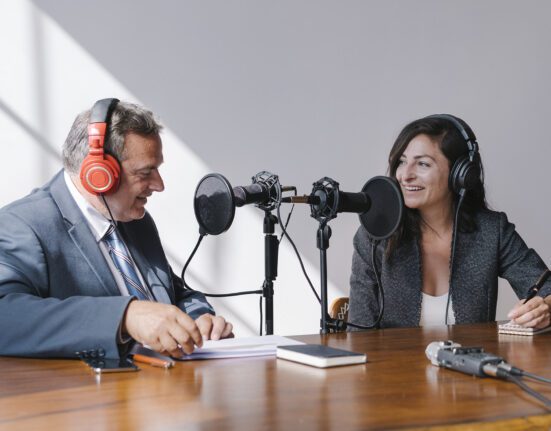

A deep dive into my sales frameworks as a SaaS coach and founder on building demos that actually close deals.
You’ve spent months building a product you believe in. You’ve worked hard to get leads in the door. And then you sit down for the demo, the moment that’s supposed to convert interest into revenue, and it falls flat.
The prospect goes quiet.
They say they’ll think about it. And then you never hear from them again.
If that sounds familiar, you’re not alone. Roughly 95% of software demos I watch and coach are underperforming. Not because the products are bad. Not because the sellers don’t care. But because most people fundamentally misunderstand what a great demo is supposed to accomplish.
This article breaks down the core principles behind high-converting sales demos what they are, what they aren’t, and exactly how to build one that closes.
The Demo Is More Than the Demo
Before getting into tactics, there’s a mindset shift that needs to happen first — one that I describe as the single most important realization my clients ever have.
Most salespeople think of a demo as: show the prospect the product. Walk them through the features. Demonstrate the interface. Explain how it works. Done.
But this approach will kill deals.
The demo (the meeting) is far more than the demo (showing the product). There is a lot that needs to happen before you ever screen-share your software, and a lot that needs to happen after closing sequences, next steps, decision-making conversations. If you treat the demo as a feature walkthrough, you skip the pieces that actually create emotional buy-in, and without emotional buy-in, people don’t make decisions.
The goal of a sales demo is not to inform. It is to get the prospect into the right emotional state to make a decision either to move forward themselves or to bring you to the actual decision maker. Information alone doesn’t do that. Emotion does.
The 3 Tips to Make Your Demos Amazing
With that foundation in place, here are three practical steps I recommend for dramatically improving your demo performance.
1. Create a Base Outline
The first instinct many salespeople have is to wing it, or to freestyle based on wherever the conversation takes them. This is a mistake.
A structured demo outline gives you a reliable foundation that you can adapt and build on. Think of it like a recipe: the recipe doesn’t prevent a great chef from adjusting to the taste of their guest, but it ensures the fundamentals are in place. Without structure, it’s easy to miss key emotional beats, skip important discovery questions, or accidentally spend twenty minutes on features the prospect doesn’t care about.
Your outline should account for every phase of the demo meeting, the opening and rapport-building, the discovery conversation, the product demonstration itself (which, done right, is only a portion of the meeting), and the closing sequence. Map out what you need to cover in each phase, what questions you need answered, and what transitions you’ll use to move through the call.
The outline needs to be flexible, though. The prospect’s specific situation, pain points, and goals should shape which parts of the product you emphasize and how you frame the narrative. Structure gives you safety; customization makes it resonate.
2. Record Yourself Going Through It
Most salespeople never watch the demo themselves. This is a massive missed opportunity.
Recording your demo whether it’s a practice run or a live call with permission and then watching the playback with honest eyes is one of the fastest ways to improve. You will notice things you never noticed in the moment: filler words that undermine confidence, moments where you rush past something important, transitions that feel awkward, and places where you lose energy.
The discomfort of watching yourself on video is real. Do it anyway. Elite athletes review game film. Actors watch their performances. Top salespeople should be no different.
Start by recording practice sessions where you go through your outline solo. Pay attention to your pacing, your tone, your body language if you’re on video calls, and whether you’re telling a clear, coherent story or just rattling off features. Then, as you improve, review recordings of real calls to identify patterns what’s working, what’s causing hesitation, what questions trip you up.
One recording session done seriously can save you dozens of lost deals.
3. Role Play With Others
There is a significant difference between knowing your material alone and delivering it under the social pressure of a real conversation. Role play bridges that gap.
Before taking your demo to live prospects, run through it with colleagues, friends, a mentor anyone willing to play the role of a skeptical buyer. Ask them to push back, ask hard questions, and behave like a real prospect. The first few times you do this, you’ll likely stumble. That’s the point. Better to stumble in a low-stakes practice environment than in front of a real buyer.
Role play builds what no amount of solo practice can: real-time conversational fluency. It trains you to listen and respond, not just recite. It exposes the weaknesses in your outline. It makes the actual demo feel familiar and manageable rather than high-stakes and scary.
The more you practice in simulated conditions, the more confident and adaptable you’ll be when the real thing arrives.
Don’t Be a Salesperson. Be a Helperperson.
One of my most counterintuitive but impactful ideas is this: the moment you look like a salesperson, you’ve lost.
Think about the word “salesperson” and what it triggers emotionally. It sounds like a scam. It sounds like someone is trying to pull one over on you. Nobody wants to feel sold too. And when a prospect senses that your primary motivation is closing the deal (the revenue, the commission), they put up walls. They become defensive, evasive, and hard to reach.
The antidote is a fundamental shift in motivation: stop thinking about what you can sell, and start thinking about what you can do to genuinely help.
When you walk into a demo thinking “I need to close this,” your whole energy changes and prospects can feel it. When you walk in thinking “I want to understand this person’s situation and figure out whether and how I can actually help them,” something different happens. You ask better questions. You listen more. You demonstrate empathy. You become a trusted advisor rather than a vendor.
Prospects are drawn to people who are clearly on their side. They follow the guidance of people they trust. And people who lead with helping rather than selling build that trust faster.
This isn’t just a feel-good philosophy. It’s a conversion strategy. My framework has helped clients go from 18% close rates to 67% close rates not by being more aggressive, but by being more genuinely helpful.
The Discovery Process: How to Ask the Hard Questions
One of the most critical and most skipped parts of a demo meeting is effective discovery. Discovery is the phase where you ask questions to understand the prospect’s situation, challenges, goals, and decision-making process. Without it, you’re essentially guessing at what to show them and why it matters.
The challenge most salespeople face is that the most important discovery questions can feel uncomfortable to ask. Questions about budget, timeline, who else is involved in the decision, what happens if nothing changes these can feel intrusive, especially early in a relationship.
The solution is sequencing. Start light.
Open the discovery phase with easy, low-stakes questions that the prospect can answer without thinking too hard. As you move deeper into the conversation and build rapport, gradually escalate to tougher, more pointed questions. By the time you ask the harder questions, the prospect has been talking for a while, they’ve seen that you’re listening and not just running a script, and they trust you enough to be candid.
This approach also serves another purpose: it demonstrates expertise. When you ask an intelligent follow-up question based on something they just told you, they see that you understand their world. That builds credibility. By the end of a discovery sequence done right, you don’t just have the information you need you’ve positioned yourself as a knowledgeable advisor worth listening to.
Avoid the three worst discovery mistakes I consistently see in demos: asking questions that have obvious answers, asking so many questions in rapid succession that the call feels like an interrogation, and failing to follow up on answers with deeper probing. Discovery is a conversation, not a form to fill out.
Show Buyers Your Product Is Perfect for Them
Here is where a lot of salespeople fall down even after making a great discovery: they collect useful information about the prospect’s situation, and then they don’t use it.
The demo should be a direct reflection of everything you learned in discovery. Every feature you show should be framed specifically in the context of the prospect’s stated pain points and goals. When you demonstrate a capability, the natural follow-up isn’t “and that’s how that works” it’s “based on what you told me about [their specific problem], this is how this would help you.”
This is called connecting the dots. Buyers sometimes know they need to act but are uncertain whether your specific product will actually work for their situation. Your job is to close that gap explicitly. Don’t assume they’re drawing the connection themselves. Draw it for them.
Everything in your demo — every feature, every workflow, every example should be anchored to the prospect’s world. Their industry. Their role. Their language. Their pain. When you present this way, you stop looking like a product tour guide and start looking like a consultant who has already thought carefully about their situation. That’s exactly where you want to be.
Take Control of the Process
There’s a common misconception that being “buyer-friendly” means being passive, letting the prospect drive the meeting, deferring to their preferences, and never pushing in any direction.
This is wrong, and it actually does buyers a disservice.
Your prospects don’t know the best way to buy your product. You do. You know what information they need, in what order, to make a confident and well-informed decision. You know what questions they should be asking but aren’t. You know what objections will come up later and how to address them proactively.
Taking control of the process means taking responsibility for guiding the buyer through the journey in the most efficient and effective way possible, not steamrolling them, but leading with confidence and expertise. Ask for the time you need. Set the agenda. Redirect when the conversation goes off track. Facilitate next steps clearly rather than leaving things ambiguous.
Buyers who are guided through a well-designed process feel more confident. They feel less overwhelmed. They’re more likely to make a decision rather than stall indefinitely. Counterintuitively, assertive guidance is actually more respectful of the buyer’s time and intelligence than passive meandering.
The Sales Cycle Problem: Why Deals Get Stuck
Even a great demo doesn’t automatically produce fast decisions. One of the biggest frustrations for SaaS sellers is the prolonged sales cycle a deal that seemed like a slam dunk at the demo stage somehow never closes.
I identify three key factors that cause deals to linger:
The first is a failure in discovery. If you don’t clearly understand the urgency, timeline, and decision-making process during the demo, you have no way to move things forward afterward. You’re just following up blindly.
The second is leaving next steps vague. Every demo should end with a concrete, scheduled next step not “I’ll follow up with a proposal” but “Let’s get 30 minutes on the calendar for Thursday to go over the proposal together and answer any questions.” Ambiguity at the close of a meeting is how deals die slowly.
The third is not getting to the right decision maker. If the person in your demo can’t actually say yes, you need a clear path to the person who can. Getting stuck presenting to an influencer who has no authority is a dead end. Your demo should include language that helps you understand the full decision-making landscape and opens the door to the right people.
Address all three of these and your sales cycle will shrink.
The Mindset That Changes Everything: Seeing Outreach as Their Lucky Break
One more mindset shift that I emphasize, especially relevant for founders doing outbound sales: stop apologizing for reaching out.
Too many salespeople open emails or calls with “sorry to bother you” or “I hope I’m not interrupting.” This language signals subservience. It frames the outreach as an imposition rather than an opportunity. And it immediately sets up a power dynamic where the buyer feels superior and the seller is already on the back foot.
If your product genuinely solves a real problem for your prospect, then reaching out isn’t bothering them it’s doing them a favor. Reframe it in your own mind first. You’re not cold calling; you’re offering a solution to a problem they may not even know they have. You’re not bugging them; you’re bringing them something valuable.
This shift in self-perception changes the energy of everything: your emails, your calls, your demos. People are drawn to confident, purposeful communication. They’re repelled by apologetic, tentative communication.
Of course, this doesn’t mean being pushy or ignoring signals that someone isn’t interested. It means showing up with the belief that what you have is genuinely worth someone’s time because if it isn’t, that’s a product-market fit problem, not a sales problem.
Putting It All Together: The Path to an 83% Close Rate
When I talk about my own close rate of 83%, or my client Robby Zehner going from 18% to 67%, these aren’t magic tricks. They’re the result of stacking all of these elements together into a coherent system:
- A structured demo outline that adapts to each prospect’s specific situation
- Deep, empathetic discovery that uncovers real pain and real urgency
- A demo presentation that connects every feature to the prospect’s specific goals
- Consistent role play and recording review to sharpen delivery
- A helper mindset that builds trust instead of triggering resistance
- Clear control of the process and concrete next steps
- Confident outreach framing that treats the offer as an opportunity
No single one of these is a silver bullet. Together, they create a repeatable process that converts leads into customers at a dramatically higher rate.
Start Here: Your Action Plan
If you want to immediately improve your demo performance, here’s where to begin:
This week: Record your next demo or run a practice session and record it. Watch the full playback. Write down three things you’d do differently.
This week: Write out your base demo outline. Not a script or an outline. Map the phases, the key questions you need to answer in discovery, and the specific features you’ll show depending on what you learn.
This month: Schedule at least two role play sessions with a teammate or trusted colleague. Brief them to be a skeptical, distracted buyer.
Ongoing: For every demo, do a brief pre-call review of what you know about the prospect and adjust your outline accordingly. For every demo that doesn’t close, do a post-mortem: where did the emotional momentum stall?
Sales is a skill. Like any skill, it compounds with deliberate practice. The salespeople who dominate their markets aren’t naturally charismatic unicorns; they’re people who’ve taken the craft seriously, learned from failure, and built a repeatable system that works.
Your demo is the single most important part of the sales process. Treat it that way.